
Winter in Marbella: choosing a second home for longer stays
A winter home earns its place in your life on an ordinary Tuesday: breakfast in a bright room, a comfortable place to work, a terrace you actually use and an easy arrival after time away. Here is how to assess that experience before buying in Marbella.
In this guide
Buying a home for winter stays starts with a different brief from booking a summer holiday. You may spend more time reading, working or cooking indoors, arrive after dark and leave the property empty between visits. A beautiful outdoor setting still matters, but it needs to connect to a home that works when the terrace doors are closed. The right question is how you would live here through a normal week.
This guide follows that week from arrival to departure. It explains what to observe yourself, what to ask the seller or community, and what needs a building professional's assessment. Three catalogue examples make the comparison concrete: Villa La Serena in Marbella East, Villa Luma in Nueva Andalucía and Epic 22 on the Golden Mile. They illustrate different layouts and ownership arrangements; they have not been certified by Amalthea as winter-ready homes.
Start by writing down how often you expect to come, who will stay and what you want to do each day. A couple visiting for several weekends and a family staying for a whole season may need very different rooms, services and arrival arrangements, even with the same budget.
What kind of winter stay are you planning?
| Pattern of use | Priority in the home | Question to resolve |
|---|---|---|
| Frequent short visits | Straightforward arrival and dependable local support | Who prepares the house and responds if something is not working? |
| An extended winter stay | Comfortable indoor rooms, storage and everyday routes | Does the home support an ordinary working week as well as leisure? |
| A base for family and guests | Separate sleeping areas and adaptable services | Can occupied rooms work well without treating every space as constantly in use? |
Use climate averages as context, then inspect the address
AEMET's 1981–2010 normals for Málaga Airport give January mean daily highs of 16.8°C and lows of 7.4°C. These are historical observations from that station, not a Marbella forecast or a measure of comfort inside a particular home. They offer regional context rather than a temperature promise for your stay.
For the buying decision, turn the climate discussion into questions about the actual building. Which rooms would you use in the morning and evening? Where could you sit comfortably if an outdoor lunch becomes an indoor one? Does the entrance make sense with wet coats and shopping? Assess these details at the address instead of assuming a district name describes every property's conditions.
Use AEMET's Marbella forecast when arranging visits, and record the conditions during each appointment. A sunny afternoon and an overcast morning reveal different things. If a second visit is not possible, request dated, unfiltered material showing the rooms at the times that matter to you, then leave unanswered performance questions for a professional assessment.
Find the rooms you would use before looking at the view
Choose three ordinary positions: the breakfast table, your reading chair and the place where you would work. Sit in each rather than judging the room only from its doorway. Notice what is directly outside the window, whether you feel overlooked and how much of the space you would use without rearranging furniture. A spectacular outlook is more valuable when it belongs to a room you enjoy occupying.
Ask for the orientation and a plan showing the surrounding buildings, terraces and substantial planting. A south-facing label is useful information, but it does not describe every room or establish how neighbouring structures affect the light. If winter sunlight is central to the purchase, ask an architect to assess the particular rooms and dates that matter. Photographs taken in another season cannot settle that question.
Make a separate evening visit if practical. Check reading lights, kitchen work surfaces and the route between bedroom and bathroom. Imagine a quiet night at home with the curtains closed. The interior should still feel complete, rather than depending entirely on the terrace and landscape for its appeal.
Ask how the heating works, room by room
IDAE's household guidance highlights heating controls, maintenance and sensible use of natural light. For a property viewing, the useful next step is to ask for the installed equipment, service records and a demonstration of the controls. An amenity label alone does not establish the condition or performance of a system.
Map the heating arrangements against the rooms you expect to occupy. Ask what serves bedrooms, bathrooms, the living area and any lower-level study, and which zones can be controlled separately. If the listing mentions underfloor heating, clarify its extent and the relevant equipment rather than assuming it covers every room. Record these answers with the property information so you can compare homes consistently.
For short visits, discuss preparation before arrival. Who can operate the system, what access is required and how would a fault be handled on an evening or weekend? If replacement or changes are anticipated, request an assessment and quotations before building them into the purchase budget. Do not infer energy costs from the size or price of the property.
Look beyond the glass to the whole room
IDAE also identifies glazing and window frames as relevant to insulation. Ask what is installed and when it was fitted, then have any performance concerns assessed by a qualified professional. A large window can frame a wonderful view without its appearance telling you how the complete enclosure performs.
During the viewing, ask permission to open and close the windows and terrace doors you would use frequently. Check the practical operation of handles, blinds and curtains. Identify which doors need to remain accessible when the room is furnished. Ask how ventilation is provided in bathrooms, the kitchen and any room below the main living level; avoid assuming that one large sliding door answers the needs of the entire home.
If you notice staining, an unusual smell or damaged finishes, photograph it with permission and ask for the history and any repair documentation. Leave diagnosis and remedial design to an independent specialist. A brief visit cannot establish the cause of a mark or demonstrate that a newly decorated room will perform as expected throughout a winter stay.
A useful winter terrace begins with one good place to sit
Instead of starting with total terrace area, choose a likely use: morning coffee, lunch with two guests or reading outside for an hour. Locate that activity on the plan and then on the terrace itself. Is the seat close enough to the kitchen? Is the door convenient? Can the table stay in place without blocking the route? A modest, well-positioned sitting area may matter more to you than several large spaces you rarely use.
Ask which areas are covered and what shade or screening equipment is included. Observe the setting during your visit without treating one calm afternoon as proof of year-round shelter. If an enclosure, awning or other alteration is essential, have its feasibility and any required permissions checked before assuming the home can be adapted.
Include the practical end of an outdoor meal: where cushions go, where furniture is stored and how you return indoors carrying dishes. Ask who inspects terrace drains and waterproofing, and what relevant maintenance records exist. These are ownership questions for all candidates, not suggestions that the selected properties have particular defects.
Rehearse arriving after dark
A second home should be easy to enter when you are tired and carrying luggage. Follow the route from the actual parking space or drop-off point to the front door, then to the bedroom you would use. Notice steps, lighting, covered sections and where bags can be left. If the house has several levels, walk that route with the same expectations you would have for everyday use.
Ask how visitors, deliveries and a property manager gain access. Establish who has keys, how access is authorised and what happens if a gate or smart lock cannot be operated. Do not rely on a remote-control description without understanding the ordinary fallback arrangements. A simple written arrival plan is useful for both owners and guests unfamiliar with the property.
For an apartment, repeat the exercise through the shared entrance, lift and parking area. For a villa, include exterior paths and the route from the gate. If these details are important because of mobility needs, verify the complete journey in person; the presence of a lift or a description of single-level living does not establish that every approach is step-free.
Build an ordinary week around the address
Write a modest weekly programme before comparing districts: food shopping, exercise, a favourite kind of walk, appointments and a meal out. If you will work remotely, add quiet calls and the space needed by a second person working at the same time. Ask for the actual internet arrangements and test the service with permission. A home office should work with doors closed, not only in a photograph of an open-plan room.
Then test journeys from the property's entrance at relevant times. Walk a route you intend to walk and drive a route you expect to drive. Pay attention to crossings, gradients, lighting and where you would park on return. Use our area guides to narrow the search, then replace broad impressions with observations about each address.
For restaurants, clubs and leisure facilities, confirm operating dates and access directly with the provider for the period of your stay. Do the same for amenities described within a residential community. The presence of a facility in a brochure does not establish its winter timetable, guest conditions or inclusion in the charges you will pay.
Decide who looks after the home between visits
Make a clear distinction between someone holding a key and someone responsible for defined checks. Discuss an absence plan with the property manager and the relevant technical professionals: which areas need attention, how observations are recorded and who contacts you if something changes. Agree the scope for this particular home rather than choosing a service solely by its title.
For a villa, ask how the garden, pool, exterior surfaces and equipment are covered. For an apartment, separate community responsibilities from tasks inside the private unit. Identify who can instruct a contractor and what spending limits apply. The practical test is whether a person can explain what happens when a problem is reported while you are in another country.
Prepare departure and arrival lists that reflect the equipment and professional instructions for the property. Avoid a generic rule to switch everything off: systems have different requirements. Keep the operating documents, service contacts and agreed responsibilities accessible to the people who need them. Review the arrangements after the first stay, when the gaps between expectations and routine become clearer.
Three homes that make the questions concrete
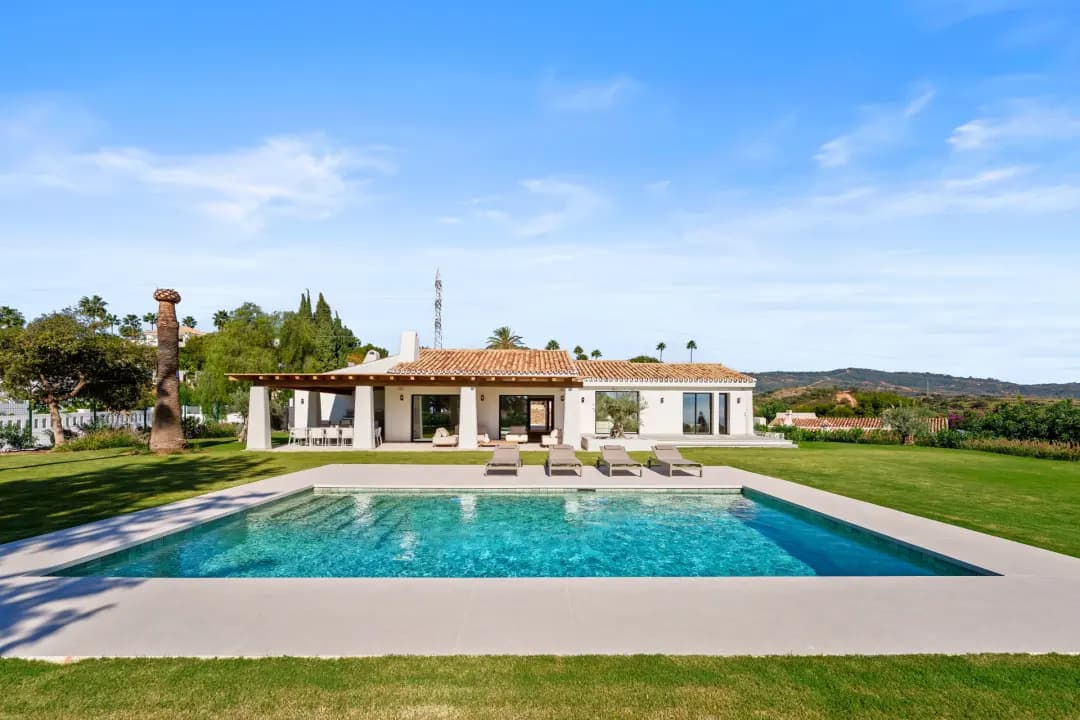
Villa La Serena in El Rosario, Marbella East, is listed at €3,895,000 with five bedrooms, 317 m² built, 146 m² of terraces and a 2,076 m² plot. Its description presents a single-level design with large windows, skylights and links to gardens or terraces. That makes the relationship between rooms and outdoor space a useful viewing focus. Trace the everyday route and request the heating specification; the catalogue does not establish tested winter comfort.
Villa Luma in Nueva Andalucía is listed at €4,500,000 with five bedrooms, 436 m² built, 307 m² of terraces and a 1,950 m² plot. The description identifies a south-facing, three-level house, a top-floor principal suite and a lower lounge; one bedroom is currently used as an office. It also states there is no lift. Compare that arrangement against your preferred sleeping and working routine, then ask how each occupied level is served and controlled.
Epic 22 on the Golden Mile is listed at €4,850,000 as a four-bedroom ground-floor duplex with 288 m² built and 102 m² of terraces. The catalogue mentions underfloor heating and shared wellness facilities, including an indoor pool. Confirm the heating coverage, current facility access and service terms. Its different ownership arrangement makes it a useful alternative to the two villas, without implying that its charges, maintenance needs or winter performance have been independently verified.
Separate the asking price from the cost of your winter routine
The table uses the catalogue's asking prices and area fields reviewed on 16 October 2026. Built area, terraces and plot area remain separate; a blank plot figure for Epic 22 does not mean the community lacks gardens. These three examples illustrate different formats, not district averages or completed sale prices. Reconfirm availability and inclusions before arranging a viewing.
Build a separate operating estimate from evidence for the selected property. Request relevant bills where available and clarify the period, occupancy and services they cover. Then list your own intended use: occupied rooms, pool use, management, cleaning and any additional services. A previous owner's bill is useful context, but their pattern of occupation may differ substantially from yours.
Add any proposed changes only after obtaining suitable assessments and quotations. Keep acquisition expenses separate from recurring ownership costs and leave your advisers to calculate the former for your circumstances. The aim is to choose a home whose ongoing commitments are understandable before you compare it with another attractive asking price.
| Property | Asking price | Built area | Terraces | Plot |
|---|---|---|---|---|
| Villa La Serena | 3.895.000 € | 317 m² | 146 m² | 2.076 m² |
| Villa Luma | 4.500.000 € | 436 m² | 307 m² | 1.950 m² |
| Epic 22 | 4.850.000 € | 288 m² | 102 m² | — |
Selected from the Amalthea catalogue. Asking prices and availability require confirmation; these examples are not area price statistics. Areas follow the catalogue definitions and need confirmation against the property documents. A dash means no figure is supplied.
Use a winter viewing to resolve specific questions
Send your priorities before the appointment so the right information can be available. Ask for plans, equipment details and relevant service documents, then reserve enough time to sit in the main rooms and follow the everyday routes. A viewing organised entirely around photographs can miss the operating questions that matter during a long stay.
Record observations separately from explanations. For example, note that a room felt cool at the time of the visit, then record what you were told about the heating and whether it was operating. That distinction prevents a single impression from becoming an unsupported conclusion. Where the result affects the purchase, ask the appropriate independent professional to investigate.
Afterwards, compare the homes against the same brief. Identify what already fits, what might be changed and what remains unknown. Do not let a longer equipment list substitute for evidence that the rooms and services work in the way you need.
- Check the actual arrival route and the rooms used morning and evening.
- Request heating, ventilation and maintenance information for the specific property.
- Confirm winter service arrangements, access conditions and responsibility during absences.
- Resolve material uncertainties before relying on them in the buying decision.
Choose the home that makes returning easy
Is a villa or an apartment better for winter? The useful answer depends on the space you want and the responsibilities you are prepared to organise. A villa may suit a household that values its own garden and separate rooms; an apartment may suit someone who prefers shared services. Both need property-specific checks, and neither format automatically guarantees easier or cheaper ownership.
Can summer photographs establish winter suitability? They can help you understand the layout and setting, but they cannot demonstrate seasonal sunlight, equipment condition or the experience of arriving after an absence. Use them to prepare the right questions, then build the decision around visits, documentation and specialist advice where needed. A successful second home is one you can imagine returning to for an ordinary week, with the practical arrangements already clear.
Sources & editorial notes
Reviewed on 16 October 2026. AEMET provides historical climate context and the local forecast; IDAE supplies general energy guidance. Practical viewing questions are editorial suggestions, not inspection findings. Property details and photographs come from the linked Amalthea catalogue. Asking prices, availability, equipment and service terms require confirmation; no winter performance, energy bill or site visit is claimed.
- AEMET · Málaga Aeropuerto · Normales 1981–2010 ↗
- AEMET · Marbella · Predicción municipal ↗
- IDAE · Recomendaciones para el ahorro energético en hogares ↗
· Amalthea Real Estate
Continue reading
Sea-view property in Marbella: what to check before buying
The view that matters is the one you enjoy from your breakfast table, favourite chair or evening terrace. Give those everyday positions as much attention as the most striking photograph.
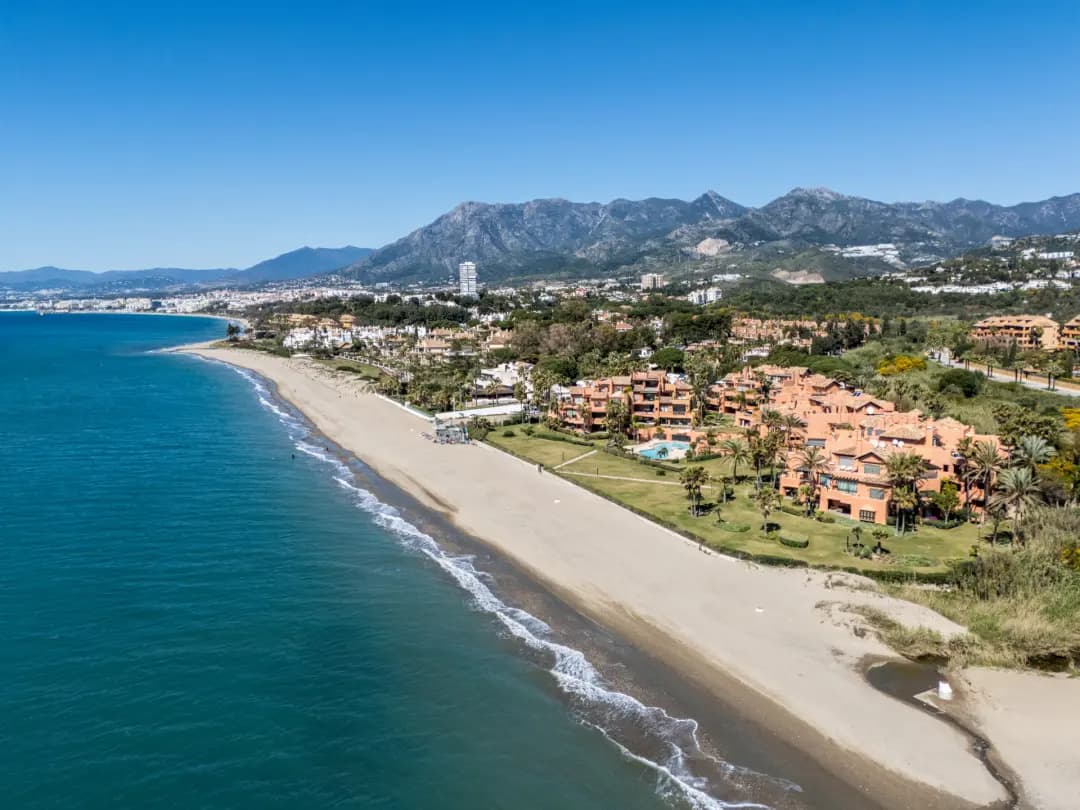
Aerial catalogue photograph for La Morera 712 in Marbella East, showing the coastline and the community's surroundings.
Read the guide ↗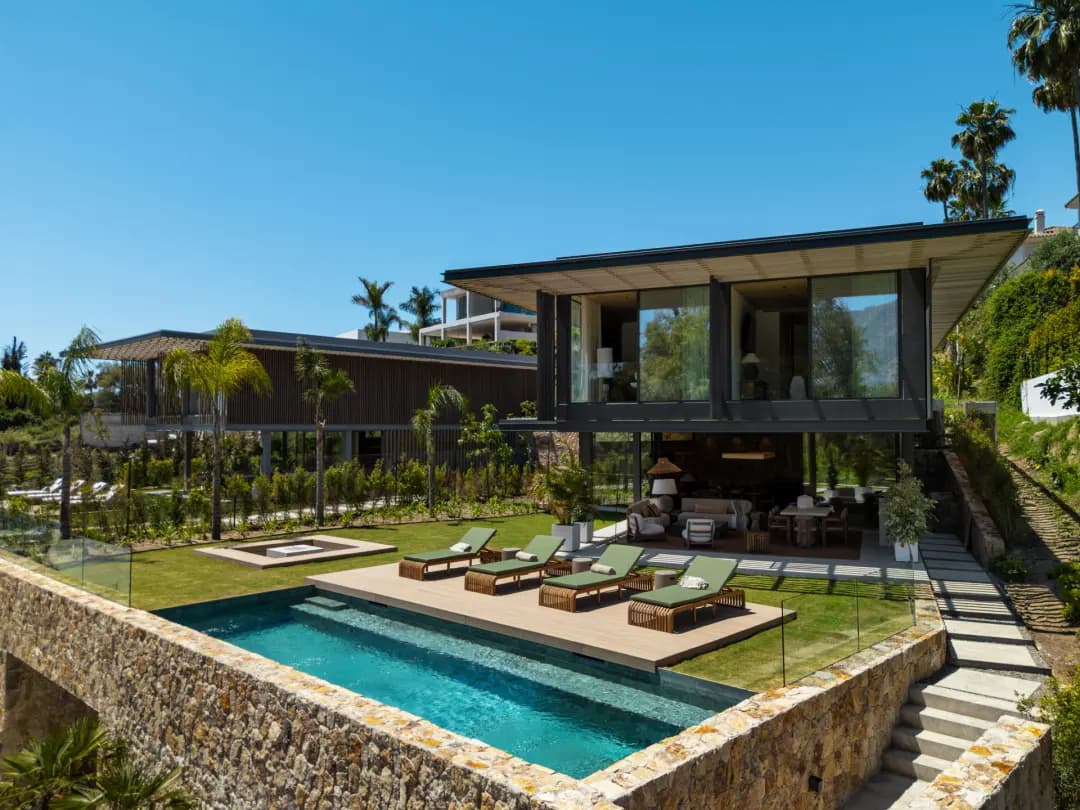
48 hours in Marbella before buying a home
A short visit becomes more useful when every stop answers a question. Leave room between viewings to walk, eat, try an everyday journey and return to the place that felt right the first time.
Cerquilla 57A in Nueva Andalucía, one of three catalogue examples for planning a viewing trip.
Read the guide ↗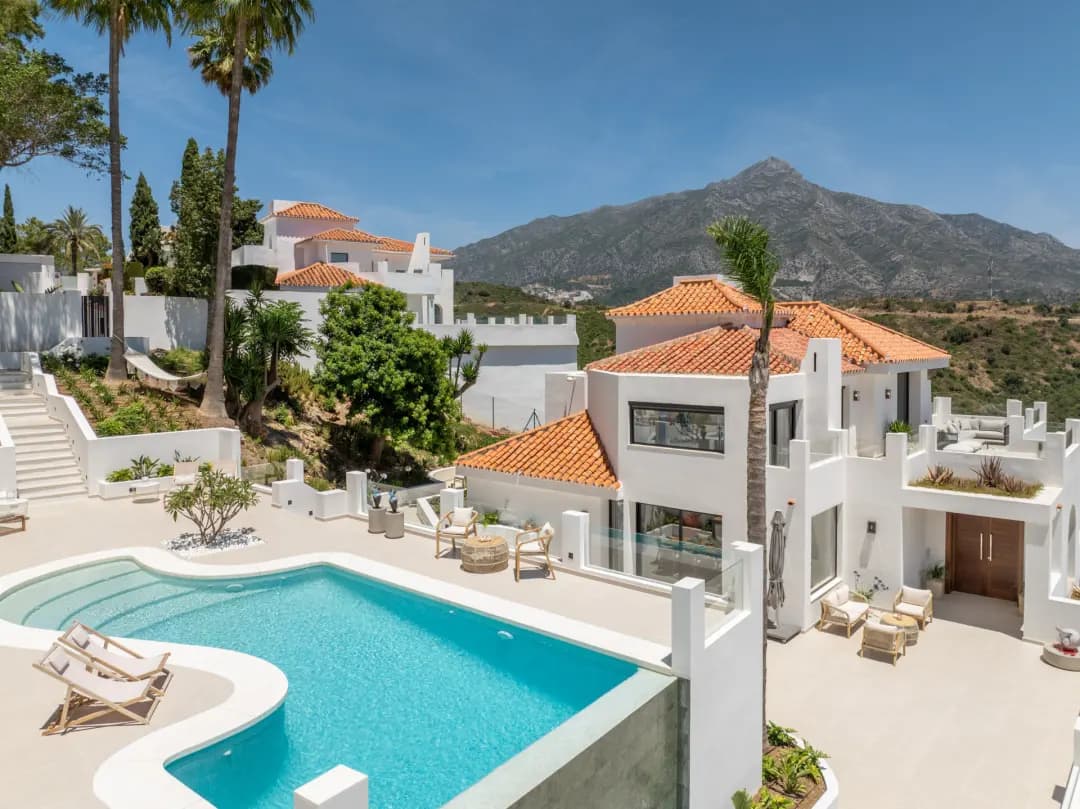
Indoor–outdoor living: choosing a villa in Marbella
The most useful terrace is the one you naturally use. Before choosing a villa, look beyond the open glass doors and test how cooking, dining, relaxing and looking after the house work on both sides of them.
Villa Luma in Nueva Andalucía: one of three catalogue examples discussed in this guide.
Read the guide ↗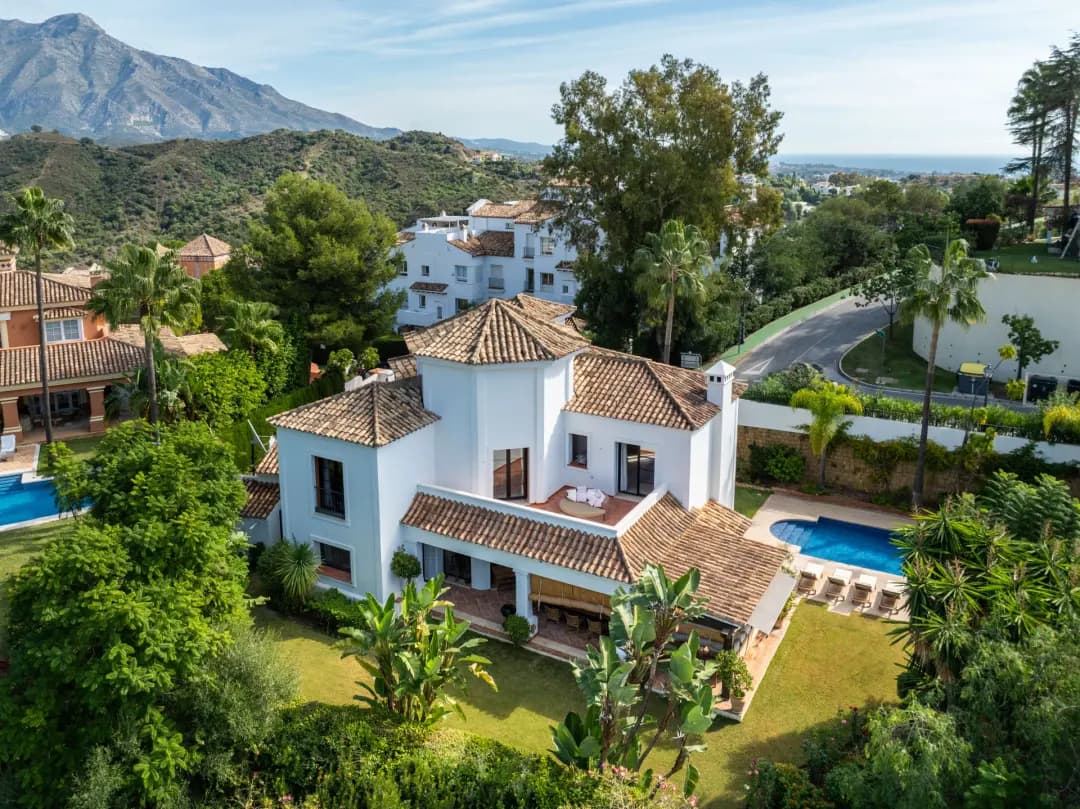
Golf in Marbella: choosing a club and a home
A morning round, lunch with friends and an afternoon at home: golf can give life in Marbella a pleasing rhythm. The right property starts with understanding where, when and on what terms you will actually play.
La Quinta 193 is a residential property from the Amalthea catalogue. Club access and playing rights require separate confirmation.
Read the guide ↗What €5 million buys in Marbella: four different homes
A €5 million property budget can put a Golden Mile duplex, a substantial Nueva Andalucía villa or a Marbella East penthouse on the same shortlist. Four catalogue examples show how differently that money can translate into a home.
Read the guide ↗Marbella East: choosing a property by the coast
A coastal home can mean breakfast above the sea, a garden within reach of the beach or a base for afternoons around a marina. Marbella East offers several ways to approach that brief. The right choice begins with the relationship you want between your home and the shoreline.
Read the guide ↗Nueva Andalucía: choosing a family home in Marbella
You may live in a family home for years, yet see it for only a few hours before deciding. In Nueva Andalucía, begin with a school week: where you go each morning, what happens after lessons and how the house works when everyone is home.
Read the guide ↗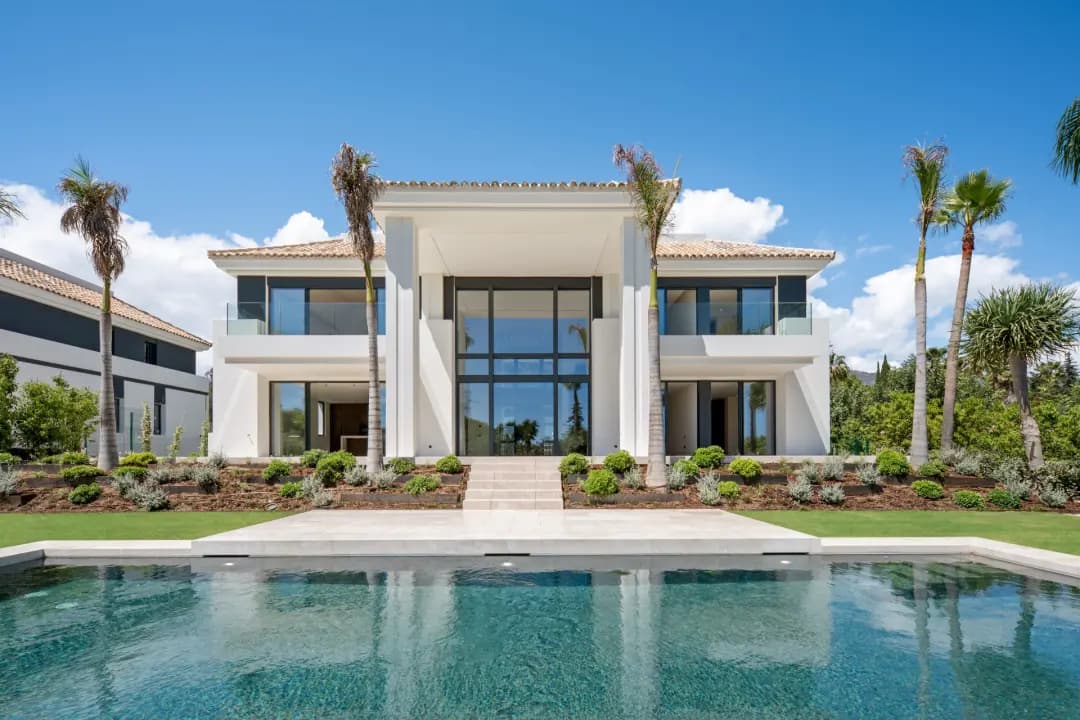
Golden Mile Marbella: a property buyer’s guide
There is more than one way to live on the Golden Mile. Explore the differences between a beachside house, a villa above the coast and a residence with shared facilities.
Read the guide ↗